

Forex Trading
Exness GBPJPY Trading Conditions and Strategy Guide
Complete guide to trading GBP/JPY on Exness including spreads, leverage, platforms, and risk considerations.

Senior Forex Trader & Market Analyst
Daniel Chen is an experienced forex trader and financial market analyst with over 15 years of experience in currency trading. He specializes in technical analysis, risk management, and developing practical trading strategies to help traders make informed decisions.
GBPJPY ranks among the most volatile major cross pairs available to retail traders. The combination of British pound sensitivity to domestic policy shifts and Japanese yen responsiveness to global risk sentiment creates wide daily ranges and frequent trend extensions. Exness offers this pair across all account types with variable spreads that reflect underlying liquidity conditions rather than fixed markups.
Contents
- 1. GBPJPY Pair Characteristics on Exness
- 2. Exness Account Types for GBPJPY Trading
- 3. Spreads and Commissions for GBPJPY
- 4. Leverage and Margin Requirements
- 5. Trading Platforms for GBPJPY
- 6. Trading Hours and Session Dynamics
- 7. Risk Management for GBPJPY
- 8. GBPJPY Trading Strategies
- 9. Exness Trading Tools for GBPJPY
- 10. Cost Comparison Across Account Types
- 11. Common GBPJPY Trading Mistakes
- 12. GBPJPY vs Other Yen Crosses on Exness
- 13. Final Assessment of Exness GBPJPY Trading
Traders approach GBPJPY for different reasons. Some target the pair's tendency to respect technical levels during Asian-European overlap sessions. Others use it as a proxy for risk-on or risk-off flows without direct USD exposure. The pair also attracts carry trade interest when the Bank of England rate exceeds the Bank of Japan rate, though that dynamic has shifted repeatedly since 2020.
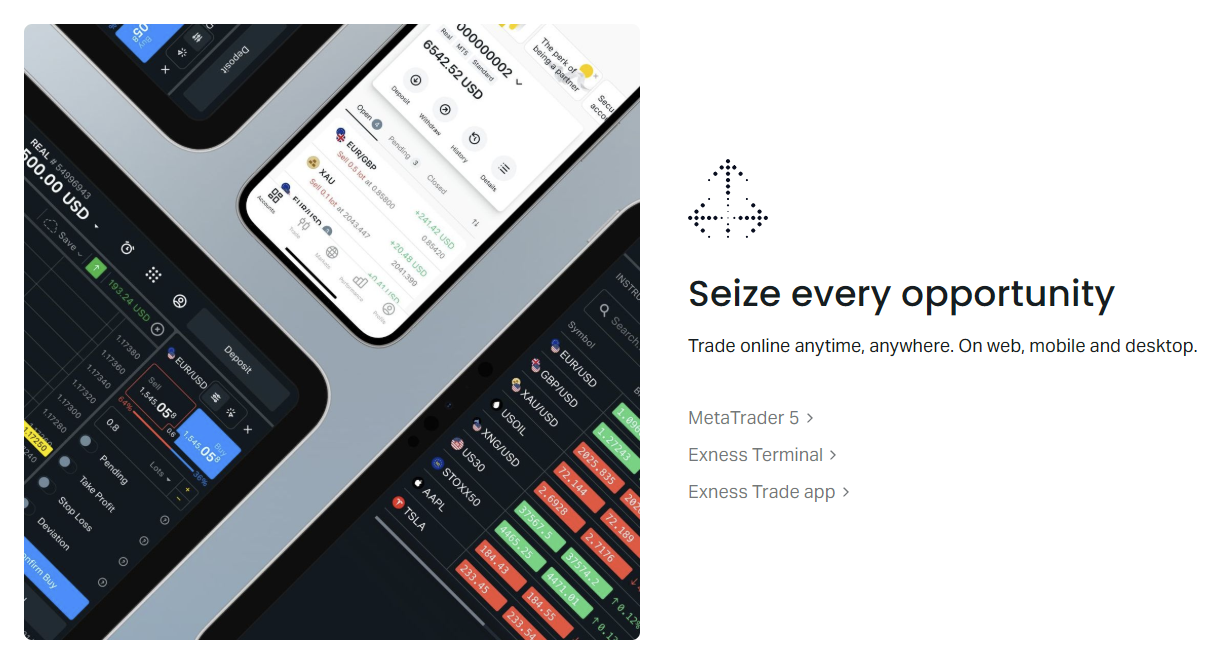
Exness provides GBPJPY on MetaTrader 4, MetaTrader 5, the proprietary Web Terminal, and mobile applications. Execution follows a market execution model with no dealing desk intervention. The broker publishes average spread data for each account type, allowing traders to estimate costs before committing capital. This transparency matters more on GBPJPY than on major pairs because spread widening during news events can be severe.
GBPJPY Pair Characteristics on Exness
The GBPJPY quote shows how many Japanese yen buy one British pound. A rate of 190.50 means one pound equals 190.50 yen. Price moves in 0.01 increments (one pip) on standard pricing, though fractional pip pricing (0.001) appears on Raw Spread and Zero accounts. The pair trades 24 hours a day from Monday 00:05 server time to Friday 23:59 server time with a daily break from 23:59 to 00:05.
Volatility distinguishes GBPJPY from majors like EURUSD or GBPUSD. Average true range over 14 days often exceeds 150 pips, sometimes reaching 250 pips during Bank of England policy weeks or Japanese fiscal year-end flows in March. This volatility creates opportunity but also increases margin requirements and stop-out risk. Exness applies dynamic leverage rules that reduce maximum leverage as position size grows, which affects GBPJPY more than lower-volatility pairs.
Correlation patterns matter for portfolio construction. GBPJPY often moves with GBPUSD and USDJPY but can decouple during yen-specific events such as Ministry of Finance intervention or BOJ yield curve control adjustments. The pair also shows inverse correlation to equity indices during risk-off episodes, though this relationship breaks down when UK-specific drivers dominate.
Liquidity peaks during the London session (08:00-17:00 GMT) and the London-New York overlap (13:00-17:00 GMT). Asian session liquidity thins after Tokyo lunch, widening spreads. Exness sources liquidity from multiple tier-one banks and non-bank market makers, which helps maintain tighter spreads than single-liquidity-pool brokers during off-peak hours.
Exness Account Types for GBPJPY Trading
Exness offers five live account types that support GBPJPY: Standard, Standard Cent, Pro, Raw Spread, and Zero. Each uses market execution with no requotes. The main differences lie in spread structure, commission charges, minimum deposits, and available leverage tiers. Islamic swap-free versions exist for all types except Standard Cent.
Standard and Standard Cent accounts use spread-only pricing with no commission. Standard requires a $1 minimum deposit (region-dependent) while Standard Cent allows trading in cents with a $1 minimum. Pro accounts also use spread-only pricing but offer tighter spreads and higher minimum deposits ($200). Raw Spread and Zero accounts charge round-turn commissions per lot but provide near-raw spreads from liquidity providers.
For GBPJPY specifically, Raw Spread and Zero accounts often produce lower total costs despite commissions because the pair's wider spreads on spread-only accounts absorb more per-trade expense. A typical GBPJPY spread on Standard might run 2.5-3.5 pips during London hours, while Raw Spread shows 0.6-1.2 pips plus $3.50 per side per lot commission. The breakeven volume depends on position size and frequency.
Spreads and Commissions for GBPJPY
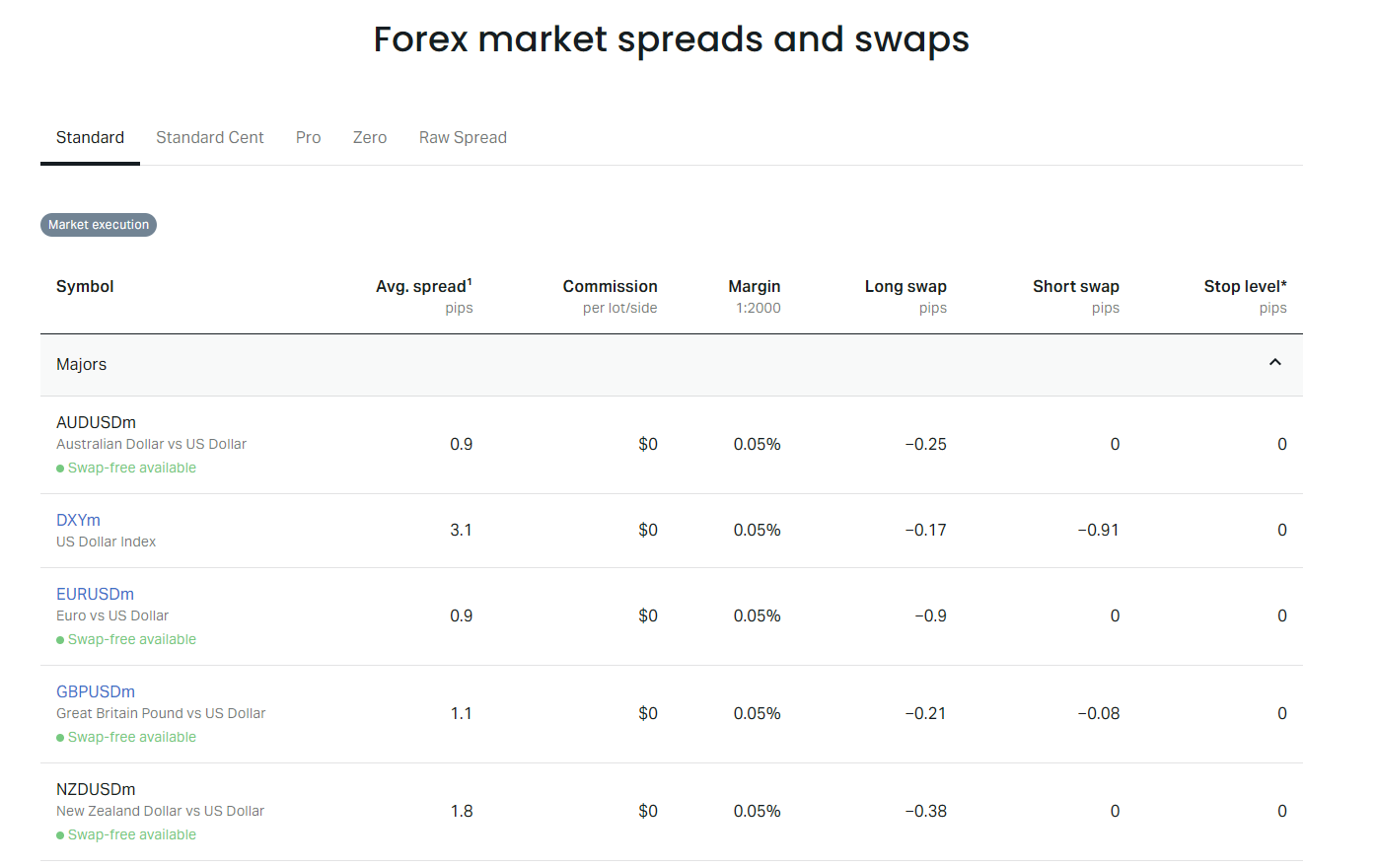
Exness publishes average spread data updated daily. For GBPJPY, the spread range across account types reflects the pair's inherent volatility. During stable London hours, Standard accounts typically show 2.0-3.0 pips, Pro accounts 1.2-2.0 pips, Raw Spread 0.4-1.0 pips, and Zero 0.0-0.6 pips. These are averages; actual spreads widen significantly around BOE announcements, UK CPI releases, BOJ policy decisions, and Japanese GDP data.
Commission on Raw Spread accounts runs $3.50 per side per standard lot ($7 round turn). Zero accounts charge $0.20 per side per $100,000 traded ($0.40 round turn per lot equivalent). The Zero account commission structure favors larger positions while Raw Spread suits standard lot trading. Both commission types deduct at position open and close, not as a separate line item.
Swap rates for GBPJPY vary by account type and direction. Long positions (buy GBP, sell JPY) typically earn positive swap when UK rates exceed Japan rates, which has been the case for most periods since 2022. Short positions pay negative swap. Exness publishes current swap values in the contract specifications and trading platforms. Triple swap applies Wednesday to Thursday rollover.
Spread widening protection exists on Exness platforms. During extreme volatility, spreads may expand beyond typical ranges but the platform will not execute at prices worse than the current spread plus slippage tolerance. Traders can set maximum deviation in points on MT4/MT5 orders. The Web Terminal handles this through a slippage tolerance setting in the order window.
Leverage and Margin Requirements
Exness offers dynamic leverage up to 1:2000 on Standard, Pro, Raw Spread, and Zero accounts for forex pairs including GBPJPY. Standard Cent caps at 1:2000 as well. However, dynamic leverage reduces maximum available leverage as total open position volume increases. For GBPJPY, the first 10 lots may access 1:2000, the next 10 lots drop to 1:1000, and further volume tiers reduce leverage progressively to 1:200 at very large sizes.
Margin calculation follows the formula: (Contract size × Lot size × Current price) / Leverage. For one standard lot of GBPJPY at 190.00 with 1:500 leverage, required margin equals (100,000 × 1 × 190.00) / 500 = 38,000 JPY, converted to account currency at current rates. Exness displays real-time margin requirements in the trading terminal and Personal Area.
Stop-out level sits at 0% margin level on most Exness accounts, meaning positions close automatically when equity falls to zero. Margin call occurs at 60% margin level on Standard and Pro, 100% on Raw Spread and Zero. The 0% stop-out provides more room than brokers using 20% or 50% stop-outs, but it also means losses can exceed deposited funds if negative balance protection fails during extreme gaps. Exness provides negative balance protection per regulatory requirements.
Trading Platforms for GBPJPY
MetaTrader 4 remains the most widely used platform for GBPJPY on Exness. It supports custom indicators, expert advisors, and extensive backtesting. The MT4 version includes 30 built-in indicators, 9 timeframes, and one-click trading from charts. Exness MT4 servers show low latency to London and Tokyo liquidity venues, which matters for GBPJPY execution quality during news.
MetaTrader 5 adds 21 timeframes, 38 built-in indicators, depth of market (Level 2), and a built-in economic calendar. The MT5 hedging mode allows multiple positions in the same direction on GBPJPY, while netting mode aggregates them. Exness supports both modes. MT5 also handles fractional lot sizes down to 0.01 lots on all account types, same as MT4.
The Exness Web Terminal runs in any modern browser without installation. It provides TradingView charts, 50+ indicators, and direct trading from charts. The interface loads faster than MT4/MT5 for quick position management. Web Terminal suits traders who switch devices frequently or cannot install software. All order types including pending orders, stop loss, and take profit function identically to desktop platforms.
Mobile applications for iOS and Android replicate core desktop functionality. The Exness Trade app includes the proprietary platform with simplified charting, while MT4/MT5 mobile apps provide full terminal access. Push notifications for price alerts, margin calls, and executed orders work across all mobile options. GBPJPY price alerts help capture breakout entries during Asian session when desktop monitoring isn't practical.
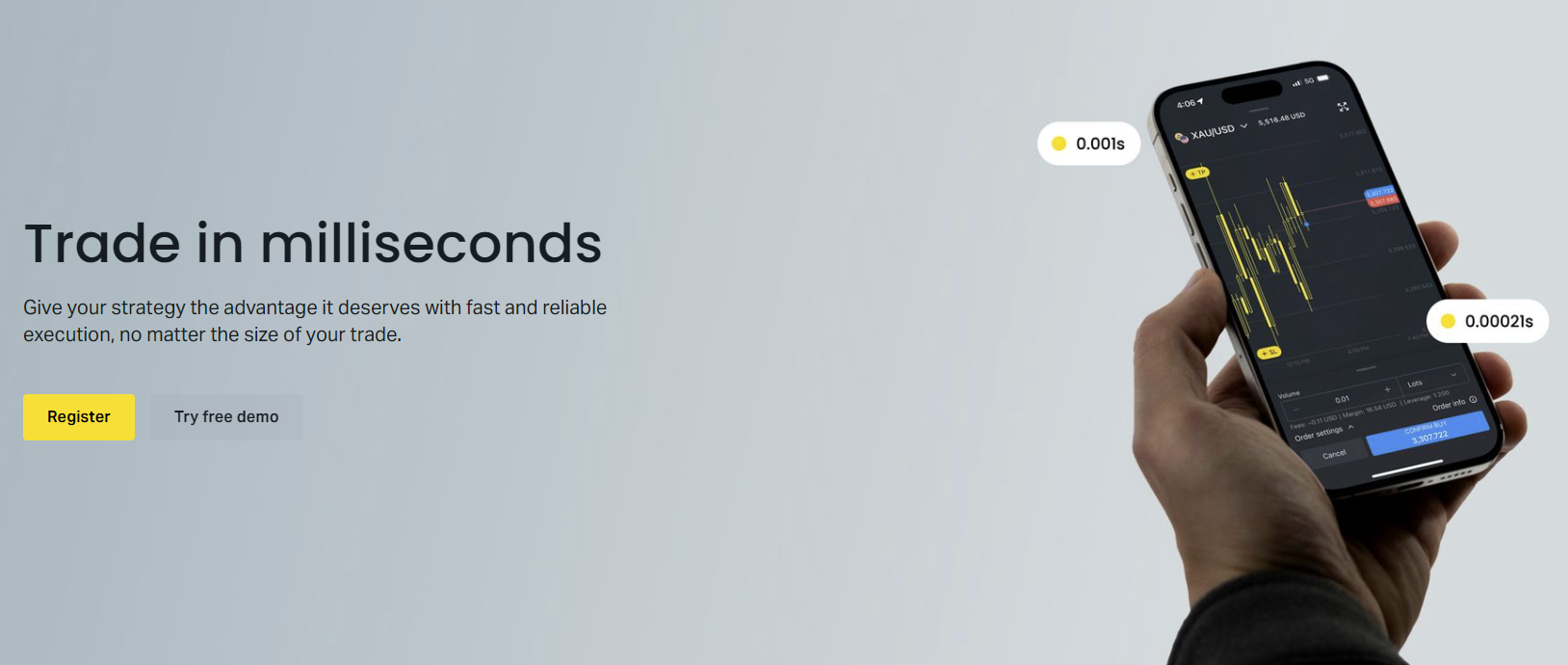
VPS hosting through Exness partners reduces latency for expert advisors trading GBPJPY. The broker offers free VPS for accounts meeting volume thresholds (typically 5 lots monthly on Pro, Raw Spread, or Zero). VPS locations near London Equinix data centers minimize execution delay for GBPJPY during European hours. Latency under 5ms to Exness trade servers is typical on approved VPS providers.
Trading Hours and Session Dynamics
GBPJPY trades continuously from Monday 00:05 to Friday 23:59 server time (GMT+2 winter, GMT+3 summer). The daily 5-minute break at 23:59-00:05 server time allows system maintenance. Spreads widen during this break and for 10-15 minutes after reopen as liquidity providers refresh quotes. Avoid market orders during this window unless necessary.
Asian session (00:00-08:00 GMT) produces lower volume and wider spreads. GBPJPY often ranges during these hours unless Japanese data releases trigger moves. The Tokyo fix at 01:55 GMT (09:55 JST) can create short-term volatility as institutional orders execute. London open at 08:00 GMT brings the first major liquidity surge, often establishing the day's directional bias.
London-New York overlap (13:00-17:00 GMT) generates the highest volume and tightest spreads. GBPJPY frequently extends morning moves or reverses during this window as US equity markets open and dollar flows interact with pound and yen positioning. BOE speakers, UK data releases, and Fed commentary during this overlap create the most tradable volatility.
Friday New York afternoon (after 17:00 GMT) sees liquidity drain as participants close weekly positions. Spreads widen progressively into the weekly close. Weekend gap risk on GBPJPY can be substantial — 50-100 pip gaps occur regularly after major weekend events. Exness does not guarantee stop loss execution across gaps. Reduce position size or close before Friday 21:00 GMT if gap risk concerns you.
Risk Management for GBPJPY
Position sizing drives risk outcomes more than entry precision on GBPJPY. A 150-pip daily range means a 1-lot position swings $1,500 per day at current rates. Risking 1-2% of account equity per trade implies position sizes far below maximum leverage allowances. Calculate lot size as: (Account equity × Risk %) / (Stop loss pips × Pip value). For a $10,000 account risking 1% with a 50-pip stop, maximum position equals 0.2 lots.
Stop loss placement requires wider distances than major pairs. GBPJPY respects structure but generates frequent false breakouts. Place stops beyond recent swing highs/lows plus a volatility buffer. Average true range (ATR) multiples work well: 1.5-2x ATR(14) for swing trades, 1x ATR for intraday. Exness platforms include ATR indicator by default.
Correlation risk appears when trading GBPJPY alongside GBPUSD, USDJPY, or other yen crosses. A long GBPJPY position combined with short USDJPY creates double yen exposure. Monitor the correlation matrix in Exness analytics or use the trading calculator to assess combined margin impact. Diversifying across uncorrelated pairs (EURUSD, AUDUSD, gold) reduces portfolio drawdown during yen-driven moves.
GBPJPY Trading Strategies
Breakout trading during London open exploits the pair's tendency to establish directional bias early. Identify the Asian session range (00:00-08:00 GMT), place buy stop above high and sell stop below low with 5-10 pip buffer. Target 1:2 risk-reward or trail using 1-hour ATR. This approach works best Tuesday-Thursday when follow-through probability increases. Monday ranges often fail; Friday ranges reverse into close.
Mean reversion suits GBPJPY during low-volatility Asian sessions. Use Bollinger Bands (20,2) or Keltner Channels on 15-minute charts. Enter long at lower band with RSI(14) below 30, short at upper band with RSI above 70. Target middle band. Exit if price closes beyond bands on 1-hour chart. This fails during trending days — filter with ADX below 25.
Carry trade positions capture positive swap on long GBPJPY when UK rates exceed Japan rates. Enter on pullbacks to weekly trend support, hold for weeks or months. Swap accumulates daily; triple swap Wednesday-Thursday accelerates returns. Risk: adverse price movement exceeds swap income. Size positions so swap covers at least 50% of potential drawdown at stop loss level.
News straddle strategies place pending orders 10-15 pips above and below current price 5 minutes before high-impact releases (BOE rate decision, UK CPI, BOJ policy, Japan GDP). Cancel opposite order when one triggers. Use 1:1 risk-reward initially, then trail. Exness execution speed matters here — Raw Spread and Zero accounts with VPS provide the lowest slippage for this approach.
Exness Trading Tools for GBPJPY
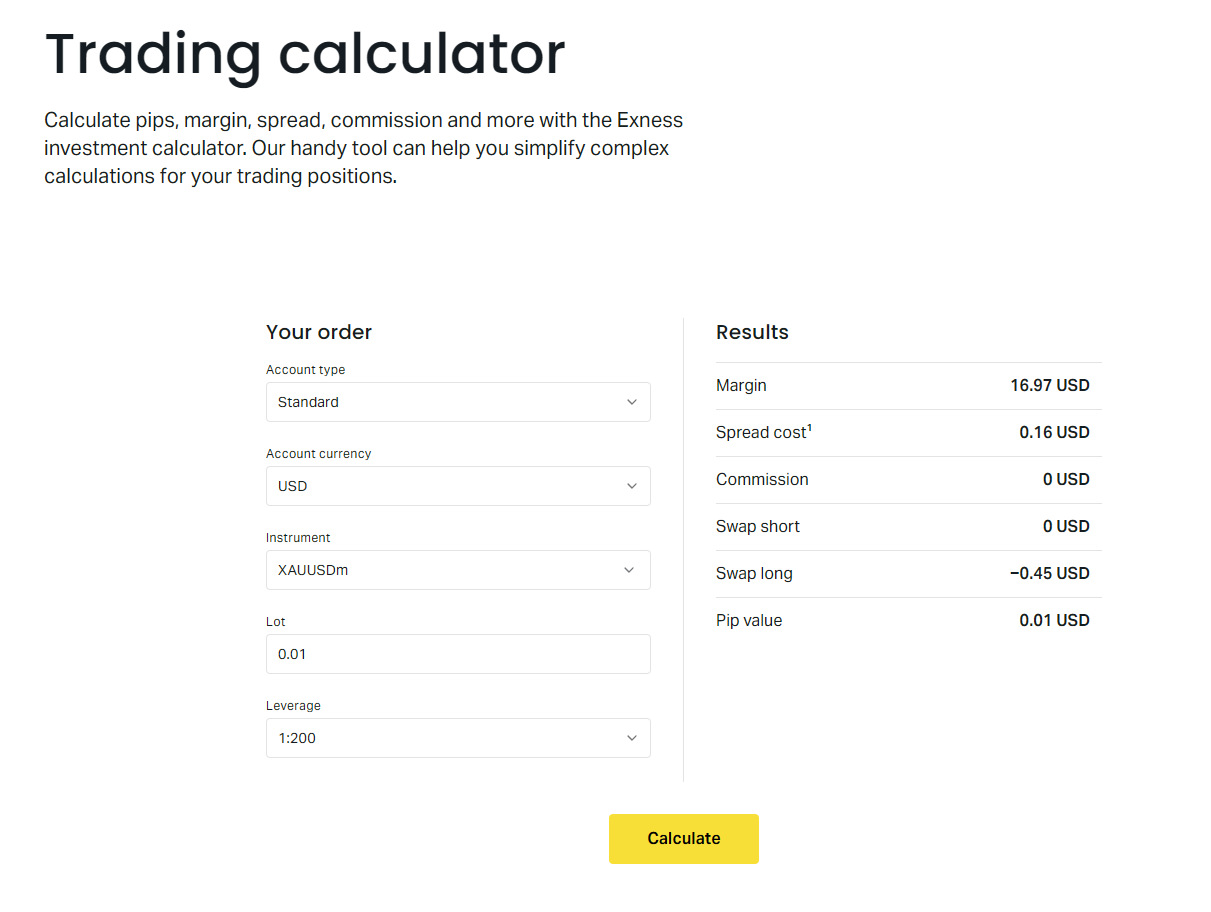
The Exness trading calculator computes margin, pip value, swap, and profit/loss for GBPJPY positions across account types. Input account currency, leverage, lot size, and entry/exit prices. The calculator handles fractional pips and converts results to account currency at current rates. Access it from the Personal Area or website without logging in.
Economic calendar in the Personal Area and Web Terminal filters events by currency (GBP, JPY) and impact level. High-impact events for GBPJPY include BOE rate decisions, MPC minutes, UK CPI, employment, GDP; BOJ rate decisions, outlook reports, summary of opinions; Japan GDP, CPI, Tankan survey, industrial production. Set notifications for 15-minute pre-event alerts.
Trading Central signals integrate into MT4/MT5 and Web Terminal. The technical analysis engine covers GBPJPY with pivot points, support/resistance levels, and directional bias for multiple timeframes. Signals update continuously. Treat them as confirmation tools, not primary entry signals. Combine with your own analysis — Trading Central often identifies levels that align with institutional order clusters.
Market news from FXStreet appears in the Personal Area and Web Terminal. Articles cover GBPJPY specifically during London sessions with technical outlooks and fundamental drivers. The news feed filters by instrument, so you see only GBPJPY-relevant headlines. This reduces noise compared to general financial news terminals.
Cost Comparison Across Account Types
Total trading cost on GBPJPY combines spread, commission, and swap. For a day trader closing 10 lots daily on Standard: 2.5 pip average spread × 10 lots × $10/pip = $250 daily spread cost. On Raw Spread: 0.8 pip spread × 10 lots × $10 = $80 plus $70 commission = $150 total. Zero account: 0.3 pip spread × 10 lots × $10 = $30 plus $40 commission = $70 total. Monthly, Zero saves $5,400 over Standard for this volume.
Swing traders holding 2 lots for 10 days face different math. Standard: 2.5 pips × 2 lots × $10 = $50 spread once, plus 10 nights swap (assume +$5/night long) = $50 gain. Net cost: $0. Raw Spread: 0.8 pips × 2 lots × $10 = $16 spread, $14 commission = $30 cost, plus $50 swap gain = $20 net gain. Zero: 0.3 pips × 2 lots × $10 = $6 spread, $8 commission = $14 cost, plus $50 swap = $36 net gain. Swap-positive strategies favor commission accounts.
Short positions reverse swap economics. Standard: $50 spread cost, -$50 swap = $100 total cost. Raw Spread: $30 cost, -$50 swap = $80 total. Zero: $14 cost, -$50 swap = $64 total. Commission accounts still win but the gap narrows. Always calculate using current swap rates from the platform — they change weekly based on interbank deposit rates.
Scroll horizontally to see all columns
| Account Type | Spread Cost | Commission | Total Daily Cost |
|---|---|---|---|
| Standard | $250 | $0 | $250 |
| Pro | $150 | $0 | $150 |
| Raw Spread | $80 | $70 | $150 |
| Zero | $30 | $40 | $70 |
Common GBPJPY Trading Mistakes
Overleveraging tops the list. GBPJPY's 150+ pip daily range means 1:500 leverage positions move 30% of margin per day. A 3-day adverse move wipes the account. Traders who survive use 1:10 to 1:20 effective leverage regardless of maximum available. Exness dynamic leverage rules help by forcing reductions at larger sizes, but small accounts can still access dangerous levels.
Ignoring spread widening during news causes unexpected stop-outs. A 50-pip stop loss placed before BOE rate decision may execute 20 pips beyond intended level if spreads expand from 2 to 15 pips momentarily. Solutions: widen stops for news events, reduce position size, or avoid trading 15 minutes before and after high-impact releases. Exness economic calendar marks these windows.
Correlation blindness creates concentrated risk. Holding long GBPJPY, long GBPUSD, and short USDJPY simultaneously triples pound exposure and doubles yen exposure. A single BOE surprise moves all three positions against you. Check correlation before adding positions. Exness analytics shows 30-day correlation coefficients between all offered pairs.
Chasing breakouts on low-volume Asian session moves leads to false signals. GBPJPY often spikes 30-50 pips on thin liquidity during Tokyo lunch or early Sydney hours, then reverses fully within an hour. Wait for London volume confirmation before committing to breakout trades. The 08:00 GMT open candle provides the first reliable volume read.
GBPJPY vs Other Yen Crosses on Exness
EURJPY offers lower volatility (80-120 pip average daily range) and tighter spreads than GBPJPY. It suits traders wanting yen exposure with less pound-specific risk. EURJPY correlates strongly with global risk sentiment and European equity indices. Spreads on Standard run 1.5-2.5 pips versus GBPJPY's 2.5-3.5 pips. Choose EURJPY for cleaner risk-on/risk-off plays.
AUDJPY and NZDJPY function as commodity-linked yen crosses. They carry higher swap rates historically but show wider spreads (3-5 pips on Standard) and stronger correlation to Chinese data and commodity prices. GBPJPY provides more consistent technical structure and deeper liquidity. Exness offers all three with identical execution models.
CHFJPY behaves differently — Swiss franc safe-haven status creates inverse correlation to risk assets during crises, but SNB intervention risk adds unpredictability. Spreads run wider than GBPJPY. Most Exness traders use CHFJPY for specific SNB policy plays rather than general yen exposure. GBPJPY remains the primary liquid yen cross for directional trading.
Scroll horizontally to see all columns
| Pair | Avg Daily Range | Typical Spread | Swap Long | Best For |
|---|---|---|---|---|
| GBPJPY | 150-250 pips | 2.5-3.5 pips | Positive | Directional volatility |
| EURJPY | 80-120 pips | 1.5-2.5 pips | Variable | Risk sentiment plays |
| AUDJPY | 100-180 pips | 3.0-4.5 pips | Higher | Carry and commodities |
| CHFJPY | 70-130 pips | 3.5-5.0 pips | Variable | SNB policy trades |
Final Assessment of Exness GBPJPY Trading
Exness delivers competitive GBPJPY conditions across all account types. The Raw Spread and Zero accounts provide the lowest total costs for active traders, while Standard and Pro suit lower-frequency approaches. Execution quality matches top-tier brokers — market execution with no dealing desk, VPS support, and sub-5ms latency on approved infrastructure. The Web Terminal adds accessibility without sacrificing functionality.
GBPJPY itself demands respect. Its volatility creates opportunity but punishes poor risk management more severely than major pairs. The pair rewards traders who size positions conservatively, respect session dynamics, and account for spread widening in stop placement. Exness provides the tools — calculator, economic calendar, correlation data, Trading Central signals — but the discipline must come from the trader.
For traders new to GBPJPY, start on Standard Cent or a demo account. Trade 0.01-0.1 lots through a full London-New York cycle to experience the pair's rhythm. Monitor how spreads behave at 08:00 GMT, 13:00 GMT, and 23:59 GMT. Test your strategy across at least 20 trades before scaling. Exness demo conditions mirror live exactly, including spread behavior and execution speed.
Frequently Asked Questions
What is the minimum deposit to trade GBPJPY on Exness?
Standard and Standard Cent accounts require $1 minimum deposit (region-dependent). Pro requires $200. Raw Spread and Zero require $200. Islamic versions have the same minimums.
Does Exness charge commission on GBPJPY trades?
Raw Spread accounts charge $3.50 per side per lot ($7 round turn). Zero accounts charge $0.20 per side per $100,000 traded. Standard, Standard Cent, and Pro accounts use spread-only pricing with no commission.
What are typical GBPJPY spreads on Exness during London hours?
Standard: 2.0-3.0 pips. Pro: 1.2-2.0 pips. Raw Spread: 0.4-1.0 pips. Zero: 0.0-0.6 pips. Spreads widen significantly around major economic releases.
Can I use expert advisors for GBPJPY on Exness?
Yes. MT4 and MT5 support expert advisors on all account types. Exness offers free VPS for accounts meeting monthly volume thresholds (typically 5 lots on Pro, Raw Spread, or Zero).
What leverage is available for GBPJPY on Exness?
Up to 1:2000 on Standard, Pro, Raw Spread, and Zero accounts. Standard Cent also offers 1:2000. Dynamic leverage reduces maximum available leverage as total open position volume increases.
When does GBPJPY trading close each week on Exness?
Friday 23:59 server time (GMT+2 winter, GMT+3 summer). Daily break occurs 23:59-00:05 server time. Weekend gaps can exceed 50 pips — stops are not guaranteed across gaps.
How do I calculate position size for GBPJPY on Exness?
Use the Exness trading calculator in Personal Area. Formula: (Account equity × Risk %) / (Stop loss pips × Pip value). For $10,000 account risking 1% with 50-pip stop: 0.2 lots maximum.
Does Exness offer swap-free GBPJPY trading?
Yes. Islamic swap-free accounts available for Standard, Pro, Raw Spread, and Zero account types. Standard Cent does not have an Islamic version. Swap-free accounts may have wider spreads or administration fees.