
Forex Broker Reviews
Exness Cashback Program Details and How It Works
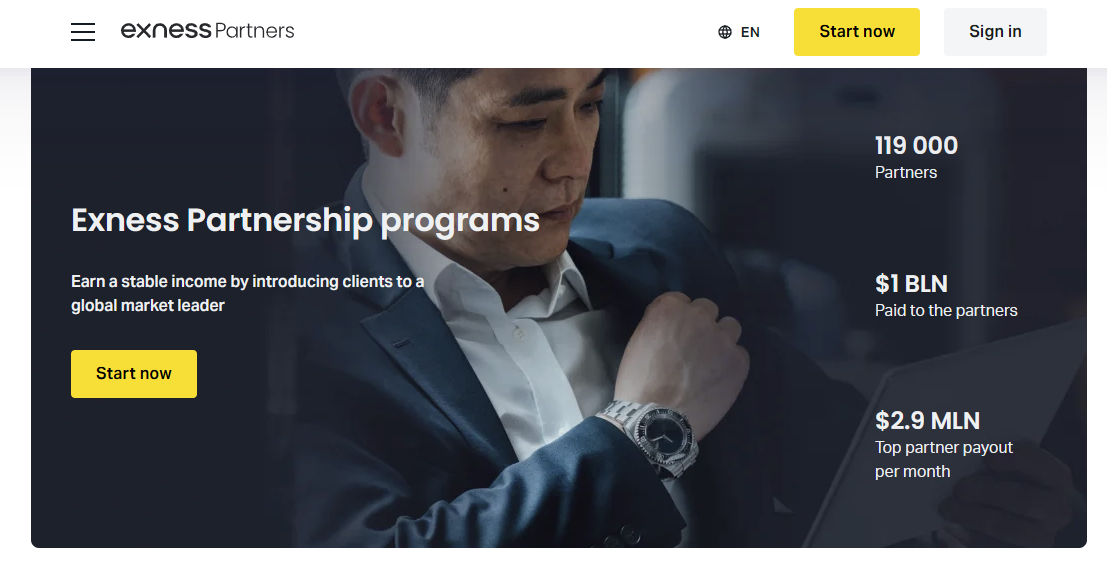
A practical guide to the Exness rebate program for active traders

Senior Forex Trader & Market Analyst
Daniel Chen is an experienced forex trader and financial market analyst with over 15 years of experience in currency trading. He specializes in technical analysis, risk management, and developing practical trading strategies to help traders make informed decisions.
Exness cashback operates as a rebate system that returns a portion of trading costs to active clients. Unlike deposit bonuses that come with volume requirements and withdrawal restrictions, the cashback program pays out based on actual traded volume. The rebate comes from the spread or commission you pay on each trade, and it accumulates automatically in your partner or client account depending on how you registered.
Contents
- 1. How Exness Cashback Works for Traders
- 1.1. Rebate Calculation Basics
- 1.2. Cashback vs Traditional Bonuses
- 2. Exness Partner Program Tiers and Rates
- 2.1. Standard Partner Commission Structure
- 2.2. Premier Program for High-Volume Partners
- 3. Becoming an Introducing Broker with Exness
- 3.1. IB Registration Requirements
- 3.2. Multi-Level IB Structure
- 4. Tracking and Receiving Your Cashback
- 4.1. Personal Area Dashboard
- 4.2. Payment Schedule and Methods
- 5. Cashback Impact on Different Account Types
- 5.1. Standard and Standard Cent Accounts
- 5.2. Professional Accounts: Zero, Raw Spread, Pro
- 6. Common Questions About Exness Rebates
- 7. Maximizing Your Cashback Earnings
- 8. Regional Availability and Restrictions
- 8.1. Countries with Full Access
- 8.2. Restricted Jurisdictions
- 9. Comparing Exness Cashback to Other Broker Rebates
- 10. Tax Implications of Trading Rebates
- 11. Final Assessment of Exness Cashback Program
Many traders confuse cashback with the partner program. They are related but distinct. The partner program — often called the Introducing Broker or IB program — rewards you for bringing new clients to Exness. You earn a share of the spread or commission those clients generate. Cashback, in the stricter sense, refers to rebates paid directly to you on your own trading. Exness structures both through the same partner portal, which creates overlap in how the dashboard displays earnings.
The program does not require a separate application if you already trade with Exness. Your account automatically qualifies for rebates once you link it to a partner code — either your own if you register as a partner, or an existing partner's code. Some regions restrict direct cashback to retail clients due to local regulation. In those cases, the rebate flows through an IB who then passes it on. Understanding which model applies to your jurisdiction matters before you expect payments.
Rebate rates vary by instrument, account type, and partner tier. Major forex pairs on Standard accounts typically return $4 to $8 per lot round turn. Professional accounts like Raw Spread and Zero offer lower per-lot rates because the base spread is already near zero. The Premier partner tier, reserved for high-volume IBs, can push rates above $12 per lot on certain instruments. These numbers change periodically, so the partner portal shows current rates for each symbol.
How Exness Cashback Works for Traders
The mechanics are straightforward. Every time you open and close a position, the broker collects a spread or commission. A percentage of that revenue gets allocated as rebate. For Standard and Standard Cent accounts, the rebate comes from the spread markup. For Raw Spread and Zero accounts, it comes from the commission charged per lot. Pro accounts sit in between — they have low spreads with no commission, so the rebate pulls from the spread component.
Rebate Calculation Basics
Exness calculates rebates per lot traded, round turn. A round turn means opening and closing one standard lot (100,000 units of base currency). If the rebate rate for EURUSD on a Standard account is $6 per lot, and you trade 0.5 lots round turn, you earn $3. The system tracks this in real time. You can see pending and confirmed rebates in the partner area under "Rewards" or "Statistics." Pending rebates update intraday; confirmed amounts finalize after the trading day closes.
- Rebate = rate per lot × lots traded (round turn)
- Rates differ by symbol — majors pay more than exotics
- Account type determines whether rebate comes from spread or commission
- Pending rebates show intraday; confirmed amounts lock at day end
- No minimum trade size to qualify — micro lots earn proportionally
Cashback vs Traditional Bonuses
Deposit bonuses lock your funds until you meet turnover targets. Cashback imposes no such restriction. You withdraw profits and rebates freely. Bonuses often expire; cashback accumulates indefinitely. The trade-off is that bonuses can offer larger upfront capital, while cashback rewards consistent volume over time. For active traders, cashback usually yields more value. For someone testing a broker with a small deposit, a bonus might make sense — if the terms are reasonable.
Scroll horizontally to see all columns
| Feature | Exness Cashback | Typical Deposit Bonus |
|---|---|---|
| Withdrawal restrictions | None | Volume requirements before withdrawal |
| Expiration | No expiry | Often 30–90 days |
| Eligibility | All active traders | New deposits only |
| Value scales with | Traded volume | Deposit size |
| Profit withdrawal | Anytime | After turnover met |
The partner dashboard displays your current tier, pending rewards, and historical payouts. It also shows the rebate rates for each trading instrument, which update when Exness adjusts pricing. You can generate referral links and track referred clients' activity from the same screen.
Exness Partner Program Tiers and Rates
The partner program uses a tiered structure. Everyone starts at the Standard tier. As your referred clients' combined monthly volume grows, you move up. Higher tiers unlock better per-lot rates. The tiers reset monthly based on the previous month's volume, so you need consistent referral activity to maintain status. This differs from some brokers where tier is permanent once achieved.
Standard Partner Commission Structure
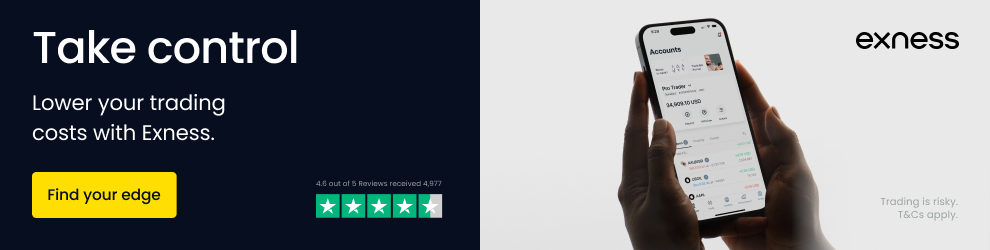
At the Standard tier, you earn a base rate per lot from each referred client. For forex majors, this typically ranges from $4 to $8 per lot round turn depending on the client's account type. Metals and energies pay slightly less. Indices and crypto vary more widely. The partner portal publishes a full rate card. You can download it as a CSV for offline analysis. Rates apply to the client's traded volume, not your own trading unless you also registered your own account under your partner code.
Scroll horizontally to see all columns
| Instrument Class | Standard Account | Pro Account | Raw Spread / Zero |
|---|---|---|---|
| Forex Majors | $6–8 per lot | $4–6 per lot | $2–4 per lot |
| Forex Minors | $4–6 per lot | $3–5 per lot | $1–3 per lot |
| Gold (XAUUSD) | $5–7 per lot | $3–5 per lot | $2–4 per lot |
| Indices | $3–5 per lot | $2–4 per lot | $1–3 per lot |
| Cryptocurrencies | $2–4 per lot | $1–3 per lot | $0.5–2 per lot |
Premier Program for High-Volume Partners
The Premier tier targets partners whose referred clients trade 5,000 lots or more per month. Rates increase significantly — often 50 to 100 percent above Standard tier. Premier partners also get a dedicated account manager, priority support, custom marketing materials, and access to exclusive promotions. The requirements are steep: consistent monthly volume, minimum active clients, and compliance with marketing guidelines. Exness reviews Premier status quarterly. Falling below thresholds triggers a downgrade with 30 days notice.
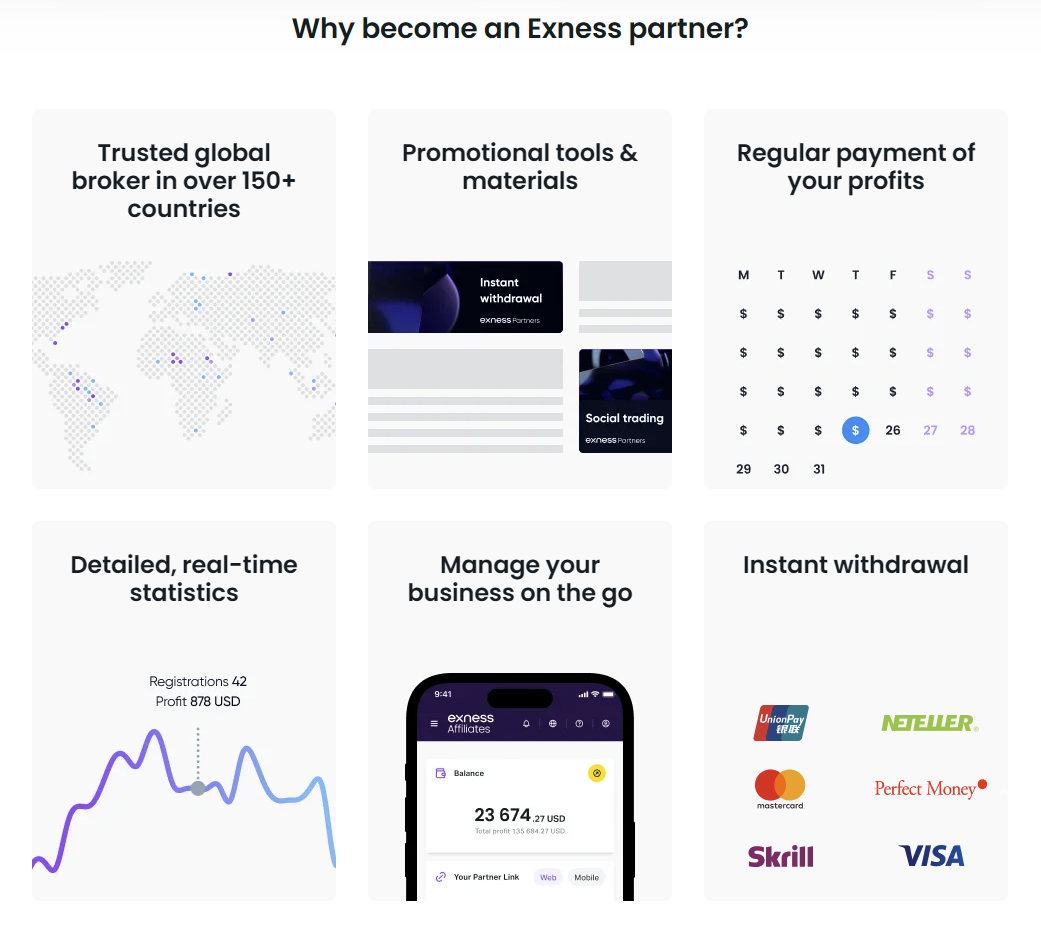
Premier partners receive monthly performance reports with client retention metrics, geographic breakdowns, and revenue forecasts. The account manager helps optimize referral funnels and resolve technical issues faster. Some Premier partners negotiate custom rate cards for specific regions or client segments, though this requires legal review.
Becoming an Introducing Broker with Exness
Registering as an IB is free and done through the partner portal. You need a verified Exness account first. The application asks for basic information: company or individual details, website or traffic sources, target regions, and estimated monthly volume. Exness reviews applications within a few business days. Approval grants access to the partner area, referral links, and marketing assets. Rejection usually stems from incomplete information or restricted jurisdiction.
IB Registration Requirements
Individual applicants need a government-issued ID and proof of address. Corporate applicants provide certificate of incorporation, register of directors, and beneficial owner details. All applicants must complete a KYC questionnaire covering source of funds, business model, and compliance history. Exness does not require a financial license for standard IB registration, but regulated entities in certain jurisdictions may need to provide additional documentation. The partner agreement includes clauses on marketing compliance, spam prohibition, and brand usage guidelines.
- Verified Exness trading account (personal area)
- Government ID and proof of address (individuals)
- Corporate documents if registering as a company
- Completed KYC questionnaire
- Description of traffic sources and marketing methods
- Target countries and estimated monthly volume
Multi-Level IB Structure
Exness supports a two-level IB hierarchy. You can recruit sub-IBs who operate under your partner code. You earn a percentage of their referred clients' volume — typically 10 to 20 percent of the base rate. Sub-IBs earn the standard rate on their direct referrals. This creates a network effect. However, Exness caps the total payout across all levels to prevent excessive layering. The combined commission to all IBs in a chain cannot exceed the maximum rate for that instrument. You manage sub-IBs from the partner dashboard, where you can view their performance and approve or reject new sub-IB applications.
Scroll horizontally to see all columns
| Level | Role | Rate on Client Volume | Example Earnings (100 lots) |
|---|---|---|---|
| Level 1 | Master IB | 15% of base rate | $90 (at $6 base) |
| Level 2 | Sub-IB | 100% of base rate | $600 (at $6 base) |
| Client | Trader | N/A | Pays spread/commission |
The diagram shows how commissions flow from client trades up through the IB chain. Master IBs see aggregated statistics for their entire network. Sub-IBs only see their direct referrals. This separation protects client privacy while giving network leaders visibility into overall performance.
Tracking and Receiving Your Cashback
The partner area is your central hub. It shows real-time statistics: clicks, registrations, deposits, traded volume, and earned commissions. You can filter by date range, client, instrument, and account type. The "Rewards" tab separates pending and confirmed amounts. Pending updates throughout the trading day. Confirmed amounts finalize after 00:00 server time and become available for withdrawal.
Personal Area Dashboard
If you trade under your own partner code, your personal area also shows rebates on your own trades. These appear under "My Rebates" or a similarly labeled section. The numbers match the partner portal but with a simpler interface focused on your trading rather than referral management. You can toggle between viewing rebates in USD or your account base currency. Historical data goes back to account opening. Export options include CSV and PDF for tax or accounting purposes.
Payment Schedule and Methods
Exness processes partner payouts daily. Confirmed commissions from the previous day become available for withdrawal each morning. There is no minimum withdrawal amount for most methods. You can withdraw to the same payment methods used for deposits: bank wire, credit/debit cards, e-wallets (Skrill, Neteller, WebMoney, Perfect Money), and local payment systems depending on region. Crypto withdrawals (USDT, BTC, ETH) are available in supported jurisdictions. Processing times range from instant for e-wallets to 1–3 business days for bank wires. Exness does not charge withdrawal fees, though payment providers may apply their own.
- Daily payout cycle — previous day's confirmed commissions
- No minimum withdrawal for e-wallets and cards
- Bank wire minimums vary by region (often $50–100)
- Crypto withdrawals in supported countries only
- Instant for e-wallets, 1–3 days for bank wires
- No Exness fees; provider fees may apply
Cashback Impact on Different Account Types
The account type you or your referred clients choose directly affects rebate amounts. Standard and Standard Cent accounts have wider spreads but no commission, so the rebate comes entirely from the spread markup. Professional accounts (Pro, Zero, Raw Spread) have tighter spreads with commissions, shifting the rebate source. Understanding this helps you advise clients or choose the right account for your own trading if you're earning self-rebates.
Standard and Standard Cent Accounts
These accounts target retail traders. Spreads start around 0.3 pips on EURUSD for Standard, slightly higher for Cent. The rebate rate reflects the spread markup. Because the spread is the only cost, the rebate percentage is straightforward — roughly 15–25 percent of the spread revenue returns to the partner. Cent accounts trade smaller lot sizes (0.01 lot = 1,000 units), so per-lot rebates are lower in absolute terms but proportional. High-frequency traders on Cent accounts can still accumulate meaningful cashback due to volume.
Professional Accounts: Zero, Raw Spread, Pro
Zero and Raw Spread accounts charge commission per lot — typically $3.50 per side ($7 round turn) on forex majors. Spreads start from 0.0 pips. The rebate comes from this commission. Pro accounts have no commission but slightly wider spreads than Raw Spread (around 0.1–0.2 pips on majors). Rebate rates on professional accounts are lower per lot because the broker's margin is thinner. However, professional account traders often execute larger volumes, which can offset the lower per-lot rate. The partner portal shows separate rate cards for each account type.
Scroll horizontally to see all columns
| Account Type | Spread / Commission | Est. Rebate Per Lot | Best For |
|---|---|---|---|
| Standard | ~0.3 pips spread | $6–8 | Retail, moderate volume |
| Standard Cent | ~0.3 pips spread | $0.6–0.8 (per cent lot) | Micro trading, testing |
| Pro | ~0.1 pips spread, no commission | $4–6 | Active retail, no commission |
| Zero | 0.0 pips + $3.5/side commission | $3–5 | Scalpers, high frequency |
| Raw Spread | 0.0 pips + $3.5/side commission | $3–5 | Algo traders, EA users |

The Premier program visualization shows how volume thresholds map to tier upgrades. Note that the requirements reference referred client volume, not your personal trading volume. This distinction matters if you're both a trader and a partner.
Common Questions About Exness Rebates
Traders often ask whether rebates affect trading conditions. They do not. Spreads, commissions, execution speed, and swap rates remain identical whether you earn cashback or not. The rebate is paid from the broker's revenue, not by widening your costs. Another frequent question: can you combine cashback with other promotions? Generally yes, but deposit bonuses may have terms that exclude rebate eligibility during the bonus period. Check the specific promotion terms. Rebates also continue during drawdowns or losing periods — they depend on volume, not profitability.
The rebate is a cost reduction, not a trading strategy. It improves net results but does not change the math of your edge.
Maximizing Your Cashback Earnings
If you trade actively, registering your own account under your partner code captures self-rebates. This is allowed and common. For partners with referred clients, focus on retention. A client who trades 50 lots monthly for a year generates more than one who trades 500 lots once and disappears. Provide value: share market analysis, platform tutorials, risk management guides. Exness supplies marketing materials, but personalized content performs better. Monitor the partner dashboard for dormant clients and re-engage them with relevant updates — new instrument launches, platform features, or educational webinars.
- Register your trading account under your own partner code for self-rebates
- Prioritize client retention over one-time high-volume referrals
- Create educational content tailored to your audience's skill level
- Use Exness webinars and market analysis as ready-made content
- Track dormant clients and re-engage with targeted updates
- Diversify traffic sources — organic, paid, email, social
Regional Availability and Restrictions
Exness operates globally but restricts partner programs in certain jurisdictions due to local financial regulations. The partner agreement lists prohibited countries. Generally, the program is unavailable in the US, Canada, Japan, North Korea, Iran, and several other sanctioned or tightly regulated markets. Some EU countries allow partner registration but impose marketing restrictions under MiFID II. Always verify your country's status before investing time in building a referral network. The partner portal shows a real-time eligibility checker based on your verified residence.
Countries with Full Access
Most of Asia (excluding Japan), Latin America, Africa, the Middle East, and CIS countries have full partner program access. Popular markets include Thailand, Vietnam, Indonesia, India, Brazil, Mexico, Nigeria, South Africa, UAE, and Kazakhstan. Exness provides localized marketing materials and local payment methods in these regions. Support teams often include native speakers for major markets.
Restricted Jurisdictions
The US, Canada, Japan, Australia (for partner program), Israel, and EU countries with strict MiFID II implementation have limitations. In some EU countries, you can register as a partner but cannot actively solicit retail clients without local authorization. Exness compliance team reviews applications from these regions case by case. If your application is rejected due to jurisdiction, you cannot appeal — the restriction is regulatory, not discretionary.
Comparing Exness Cashback to Other Broker Rebates
Most major brokers offer some form of rebate or partner program. IC Markets, Pepperstone, and XM have comparable structures. Exness stands out for daily payouts, no minimum withdrawal, and transparent rate cards. Some competitors pay monthly with $100 minimums. Others hide rates behind "contact us" forms. Exness publishes rates openly. The trade-off: Exness base spreads on Standard accounts are slightly wider than some raw-spread competitors, so the net cost after rebate may be similar. Calculate your effective spread: base spread minus rebate value per lot. That's the real comparison metric.
Scroll horizontally to see all columns
| Broker | Payout Frequency | Min Withdrawal | Rate Transparency | Self-Rebate Allowed |
|---|---|---|---|---|
| Exness | Daily | None (most methods) | Published rate card | Yes |
| IC Markets | Monthly | $100 | On request | Yes |
| Pepperstone | Monthly | $50 | Partner portal only | Yes |
| XM | Weekly | $50 | Published | Yes |
| FBS | Daily | $1 | Published | Yes |
Daily payouts with no minimum mean you never have capital trapped in the partner program. That liquidity matters more than a slightly higher per-lot rate paid monthly.
Tax Implications of Trading Rebates
Rebates are generally treated as trading income or reduction of trading expenses, depending on your jurisdiction's tax code. In the US, they reduce cost basis. In the UK, they may count as miscellaneous income. Some countries treat them as commission income requiring VAT registration above thresholds. Exness does not withhold tax on partner payouts. You receive the full amount and handle reporting. Keep detailed records: download monthly statements from the partner portal. They show gross commissions, dates, and client references. Consult a tax professional familiar with forex trading in your country. Do not rely on forum advice.
Frequently Asked Questions
Can I earn cashback on my own trades without referring anyone?
Yes. Register as a partner, then open or link your trading account using your own referral code. Your trades will generate rebates at the Standard tier rate.
How often are rebates paid out?
Daily. Confirmed commissions from the previous trading day become available for withdrawal each morning. No monthly waiting period.
Is there a minimum withdrawal amount for cashback?
No minimum for e-wallets, cards, and crypto. Bank wires may have minimums set by the receiving bank, typically $50–100.
Do rebates affect my spreads or execution?
No. Trading conditions are identical whether you earn rebates or not. The rebate comes from Exness revenue, not from widening your costs.
Can I lose Premier tier status?
Yes. Premier status is reviewed quarterly. If your referred clients' volume drops below 5,000 lots/month for consecutive months, you receive 30 days notice before downgrade.
Are cashback earnings taxable?
Tax treatment varies by country. Generally treated as trading income or expense reduction. Exness does not withhold tax. Consult a local tax professional.
What happens to pending rebates if a client's trade is cancelled?
Cancelled or corrected trades remove the associated volume from rebate calculations. Pending amounts adjust automatically before confirmation.
Final Assessment of Exness Cashback Program
The Exness cashback program delivers on its core promise: daily, no-minimum payouts on transparent rates. For active traders, self-rebates reduce effective trading costs without changing conditions. For partners, the tiered structure rewards volume growth, though the monthly reset means you cannot coast on past performance. The two-level IB model adds network potential but caps total payout to prevent abuse. Regional restrictions are the main limitation — if you operate from a prohibited jurisdiction, the program is simply unavailable. Compared to competitors, Exness wins on payout speed and accessibility. The effective cost after rebate on Standard accounts sits in the middle of the pack. Professional account traders should calculate whether the lower per-lot rebate on Raw Spread/Zero accounts still beats the all-in cost at a broker with tighter raw spreads but no rebate. For most retail and semi-professional traders, the program adds measurable value with minimal friction.